
Discover the Wonders of Winter Diving in Okinawa and Essential Tips for Your Trip
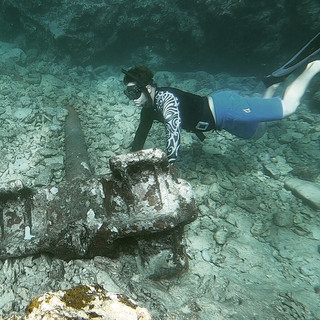
Winter diving in Okinawa is often overlooked, yet it provides a unique and magical experience for divers. When many think of diving, they envision warm summer days. However, winter reveals vibrant underwater scenes that are often missed. With fewer crowds, clearer waters, and a robust marine ecosystem, this season is perfect for exploring Okinawa’s underwater beauty. In this post, we will highlight the reasons winter diving is special, what to expect beneath the surface, and essential tips to enhance your diving adventure.
Why Winter is an Excellent Time for Diving
Okinawa's winter runs from December to February, with water temperatures remaining comfortably warm from 20°C to 24°C (68°F to 75°F). This temperature range is a major plus for divers looking to avoid the intense summer heat. Additionally, air temperatures may drop, but the cooler air allows for a comfortable diving experience without the risk of overheating.
Winter is also Okinawa’s dry season. That means you can enjoy outstanding visibility underwater. Divers can often see up to 30 meters (98 feet) thanks to the reduced rain and calm seas. For example, many winter divers report a visibility improvement of nearly 20% compared to summer months. Fewer tourists mean popular dive sites are less crowded, enhancing the intimate experience with nature.
What to Expect Underwater
As the water cools, particularly in the transitional seasons of autumn and spring, the behavior of pelagic fish undergoes a notable change, prompting them to rise to the surface of the ocean. This phenomenon is primarily driven by the thermocline, a layer in the water column where temperature changes rapidly with depth. As surface temperatures decrease, many pelagic fish species, such as mackerel, sardines, and tuna, instinctively migrate upwards towards warmer water layers. This upward movement is not merely a response to temperature; it is also influenced by the availability of food sources that tend to be more abundant in the upper layers of the water during these cooler periods. Additionally, this rise to the surface can be observed as a strategic adaptation to avoid predation and to optimize feeding opportunities. The cooler temperatures can lead to increased concentrations of plankton and smaller fish near the surface, which serve as vital food sources for these pelagic species. Furthermore, the rise of pelagic fish can have significant implications for the surrounding marine ecosystem, as it can attract larger predators, including seabirds and larger fish species, creating a dynamic feeding frenzy that showcases the interconnectedness of marine life. In summary, the cooling of water is a critical factor that influences the vertical distribution of pelagic fish, prompting them to ascend to the surface in search of warmth, food, and safety, thereby playing a crucial role in the marine food web.
You may also encounter endangered sea turtles, vibrant reef fish, and even playful whales. The coral reefs around Okinawa are alive with colors, especially during winter, accentuated by cooler temperatures. These conditions often bring out different behaviors in marine life, making each dive unique. Countless divers have remarked on the rich variety found during their winter excursions.

Essential Tips for Winter Diving
What to Wear
When diving in Okinawa's winter, appropriate attire is crucial for comfort and safety. A 3mm to 5mm wetsuit will provide essential insulation against the cooler temperatures. If you feel the cold easily, adding a hood and gloves can enhance your warmth.
Be sure to pack your dive equipment, which should include a mask, snorkel, fins, and a dive computer. If you're renting gear, confirm that it is well maintained and suitable for winter conditions.
Stay Hydrated and Nourished
Diving can be physically demanding, necessitating proper hydration and nutrition. Drinking sufficient water before and after your dives is key. Research indicates that divers who hydrate well have better overall performance underwater. Packing healthy snacks, such as fruits or energy bars, will help maintain your energy during dives. A balanced meal beforehand will provide stamina for longer excursions.
Choose the Right Dive Operator
Picking a reliable dive operator is essential for a safe and enjoyable experience. Seek those who specialize in winter diving and have experienced guides familiar with local dive sites. A knowledgeable guide can offer insights on the best locations and ensure that you are well prepared for your dives.

Embrace the Beauty of Winter Diving
Winter diving in Okinawa reveals a hidden gem that offers unforgettable moments for divers. With fewer crowds, remarkable visibility, and a rich underwater ecosystem, this time is ideal for diving adventures. By dressing appropriately, staying hydrated, and selecting the right operator, you can maximize your winter diving experience.
No matter if you're a seasoned diver or just beginning, Okinawa's underwater world has something to enchant everyone. So, prepare your gear, enjoy the cooler climate, and dive into the stunning waters of Okinawa this winter. You will leave with memories that last a lifetime!


Comments