
How to Achieve Your Scuba Diving Certification with the Best Scuba Diving Courses
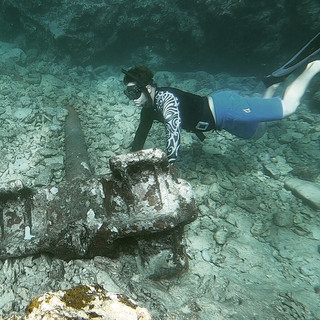
Diving into the deep blue sea is one of the most thrilling adventures you can experience. I still remember the first time I slipped beneath the surface, the world above fading away as vibrant coral reefs and curious fish surrounded me. If you’ve ever dreamed of exploring underwater wonders, getting your scuba diving certification is the key to unlocking that world. But how do you start? What does it take? And where can you find the best scuba diving courses to guide you through this journey? Let me walk you through everything I learned on my path to becoming a certified diver.
Why Choose Scuba Diving Courses to Begin Your Adventure?
Starting with scuba diving courses is the smartest way to ensure you’re safe, confident, and ready to explore. These courses are designed to teach you the essential skills, safety protocols, and equipment handling techniques you need before you ever take a breath underwater.
When I first signed up, I was a bit nervous. But the instructors were patient and passionate, making every lesson feel like an exciting discovery. The courses usually begin with classroom sessions where you learn about dive theory, marine life, and how your equipment works. Then, you move on to confined water dives - think of these as your practice sessions in a pool or calm, shallow water. Finally, you get to experience open water dives, where you put everything into action in the ocean.
Here’s what you can expect from most scuba diving courses:
Comprehensive safety training to handle emergencies
Hands-on equipment practice so you feel comfortable underwater
Knowledge about marine ecosystems to appreciate what you’re seeing
Guided open water dives with experienced instructors
Taking a course not only prepares you physically but also mentally. You learn to stay calm, communicate underwater, and respect the ocean environment. Plus, it’s a fantastic way to meet fellow adventurers who share your passion.

Finding the Right Scuba Diving Courses for You
Choosing the right scuba diving courses can feel overwhelming with so many options out there. But here’s a tip: look for courses that are recognized internationally, like those offered by PADI or SSI. These certifications are widely accepted, so you can dive anywhere in the world with confidence.
When I was searching, I focused on a few key things:
Location: Since I was visiting Okinawa, I wanted a course that offered dives in the stunning local reefs.
Instructor experience: I read reviews and asked about the instructors’ backgrounds.
Class size: Smaller groups meant more personalized attention.
Equipment quality: Clean, well-maintained gear is a must for safety and comfort.
If you’re in Okinawa, you’re in luck! The area is famous for its crystal-clear waters and vibrant marine life. Many local dive shops offer beginner-friendly courses that combine classroom learning with unforgettable ocean experiences. Plus, some even tailor their programs for US military personnel stationed here, making it easier to fit training into your schedule.
Pro tip: Don’t hesitate to ask questions before signing up. A good dive center will be happy to explain their course structure, safety measures, and what you can expect on your dives.
How much does it usually cost to get scuba certified?
One of the first questions I had was about cost. Getting your scuba diving certification is an investment in an experience that lasts a lifetime, but it’s helpful to know what to expect financially.
Typically, the price for a beginner scuba diving course ranges from $300 to $600. This usually includes:
Classroom and pool sessions
Open water dives
Rental of basic scuba gear (mask, fins, snorkel, tank, regulator)
Study materials and certification fees
Some courses might charge extra for advanced equipment rental or specialty dives. If you’re planning to take your certification in a popular tourist spot like Okinawa, prices might be on the higher end due to the quality of the dive sites and instructors.
I found that booking directly with local dive shops often gave me better rates than going through third-party websites. Also, keep an eye out for package deals that combine certification with guided tours or underwater photography sessions.
Remember: The cost is not just about the certification itself but the safety, knowledge, and unforgettable memories you gain.

What to Expect During Your Scuba Certification Journey
The journey to becoming a certified diver is as rewarding as the destination. Here’s a breakdown of what you’ll experience:
1. Knowledge Development
You’ll start by learning the basics of diving theory. This includes understanding pressure, buoyancy, dive planning, and how to avoid common risks like decompression sickness. The materials are usually a mix of videos, manuals, and quizzes. I found this part fascinating because it gave me a new appreciation for the science behind diving.
2. Confined Water Dives
Next, you’ll practice skills in a controlled environment like a swimming pool. This is where you get comfortable with your gear, learn how to breathe underwater, and practice emergency procedures. It’s a safe space to build confidence before heading into the open ocean.
3. Open Water Dives
This is the highlight! You’ll complete a series of dives in the ocean, applying everything you’ve learned. Your instructor will guide you through different scenarios, helping you navigate underwater landscapes and observe marine life responsibly.
4. Certification
Once you’ve successfully completed the course requirements, you’ll receive your certification card. This card is your passport to dive anywhere in the world, opening doors to countless underwater adventures.
Throughout my certification, I was amazed at how much I learned about myself - patience, focus, and a deep respect for the ocean. It’s not just a course; it’s a transformation.
Tips to Make Your Scuba Certification Experience Unforgettable
Getting certified is exciting, but a few tips can make your experience even better:
Stay relaxed: Nervousness is normal, but remember to breathe slowly and trust your training.
Ask questions: No question is too small. Your instructors want you to feel safe and informed.
Practice skills: Spend extra time mastering buoyancy and mask clearing - these make a huge difference underwater.
Respect the environment: Always follow guidelines to protect coral reefs and marine life.
Bring a waterproof camera: Capture your first underwater moments to share with friends and family.
If you’re visiting Okinawa, take advantage of the local dive shops’ knowledge. They often know the best spots for beginners and can tailor your dives to your skill level.
Ready to Dive In? Your Next Steps
If you’re feeling inspired, here’s how to get started:
Research local dive centers: Look for those with excellent reviews and international certification.
Book your course: Choose dates that fit your travel plans or schedule.
Prepare physically: Swimming skills help, but you don’t need to be an athlete.
Gather your gear: Most courses provide equipment, but having your own mask and snorkel can be more comfortable.
Dive in and enjoy!
Remember, the ocean is a vast playground full of wonders waiting to be discovered. Your scuba diving certification is your ticket to this incredible world.
Every dive is a new story, a new memory. I can’t wait for you to experience the magic beneath the waves.
Happy diving!


Comments