
Scuba Diving in Okinawa with Reef Tours Exploring the Kerama Islands by Boat
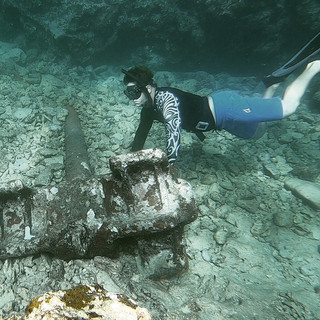
The Kerama Islands are the kind of place that remind divers why boat diving exists. Clear blue water, coral gardens, sandy channels, sea turtles, reef fish, and current-swept edges all sit offshore from Okinawa’s main island. Reaching them well means going by boat, with guides who know how the sea is moving that day.
That is where Reef Tours Okinawa fits naturally into the experience. For divers who want more than a quick shore entry, a Kerama Islands boat trip offers space, range, and the chance to match each site to the day’s conditions. It also makes drift diving more practical, with boat support allowing divers to enjoy the current instead of fighting it.

Why the Kerama Islands are a standout dive area
The Kerama Islands sit west of Okinawa’s main island and are well known for blue water, healthy coral areas, and varied underwater terrain. The appeal is not only the visibility, though that is often a highlight. It is the mix of dive styles within reach of a single boat day.
One site may be calm and protected, with white sand and coral heads. Another may sit along a reef edge where current brings movement and marine life. That variety keeps the day interesting for certified divers with different goals.
Common Kerama diving highlights include:
Coral gardens with hard and soft corals
Sandy patches that make buoyancy practice easier
Reef walls and slopes with good fish life
Sea turtle encounters when luck and conditions line up
Drift routes where the current carries the group along the reef
No dive operator can promise a specific animal or perfect water. The ocean decides. A good operator reads the day and chooses sites that make sense.
Boat diving makes the Keramas easier to explore
Kerama diving is best understood as boat-based diving. The islands and dive sites are spread out, and the flexibility of a boat matters. Instead of being locked into one entry point, the crew can move between sites based on wind, swell, current, and diver comfort.
A typical boat diving rhythm is simple. Divers set up gear, listen to the briefing, enter the water together, and return to the boat after the dive. Between dives, the boat becomes a resting place, gear station, and viewing deck.
Boat support also helps with comfort. Divers can bring dry clothes, snacks, sunscreen, and extra layers without carrying everything to a rocky shore entry. Gear handling is usually easier too, especially after the second or third dive of the day.
For visitors, that support can make a big difference. Okinawa’s sea can change during the day. A boat team that understands local conditions can adjust plans and keep the focus where it belongs: safe, relaxed diving.
Drift diving with boat support changes the experience
Drift diving is one of the most rewarding ways to scuba dive in Okinawa, especially around reef channels and sloping terrain. Instead of swimming hard against moving water, divers use the current as part of the route.
The key is planning. A drift dive needs a clear briefing, agreed hand signals, good buoyancy, and a boat crew that tracks where the group is expected to surface. With boat support, divers do not need to return to the exact starting point. The boat can meet the group after ascent, which opens up routes that would not work well from shore.
A good drift briefing should cover:
Entry method and descent plan
Expected current direction
Maximum depth and planned route
Turn pressure or ascent pressure
Surface marker buoy use
What to do if separated from the group
For many divers, the best drift dives feel calm rather than intense. The group moves along the reef, saves energy, and watches the scenery pass. When it is done well, the boat is part of the safety system, not just transportation.

What diving with Reef Tours Okinawa can feel like
A strong Kerama trip does not feel rushed. It starts with a plan, then adapts to the sea. Reef Tours Okinawa can frame the day around boat diving, local site choice, and guided dives that fit the conditions.
For certified divers, that may mean a mix of relaxed reef dives and drift dives with boat pickup. For newer divers, the better choice may be shallower, calmer sites with easy navigation and less current. For experienced divers, the attraction may be moving water, reef edges, and more dynamic terrain.
The best part of guided boat diving is local judgment. A site that looked perfect yesterday may not be the right pick today. Wind direction, tide timing, surface traffic, and group ability all matter. Local guides bring those pieces together before anyone enters the water.
That does not remove personal responsibility. Divers still need to monitor air, stay close to the guide or buddy, control buoyancy, and speak up if something feels off. Good boat support works best when divers are honest about comfort and experience.
How to prepare for a Kerama boat diving day
A little preparation makes the day smoother. Bring certification proof, and be ready to share recent dive history. If it has been a long time since the last dive, ask about a refresher or an easier first site.
Pack for sun, wind, and time on the water. Okinawa can feel warm on land, but boat rides and surface intervals can cool divers down, especially after repeated dives.
Useful items include:
Reef-safe sun protection where appropriate
A towel and dry layer
Water and light snacks
Seasickness medication if normally needed
Personal mask or computer, if preferred
Logbook or digital dive record
Swimwear that works comfortably under a wetsuit
Divers should also be mentally ready to follow the plan. If the guide changes sites or cancels a drift route, there is usually a good reason. The goal is not to force the most exciting option. The goal is to choose the best dive the day allows.
The real appeal of the Keramas by boat
Scuba diving in Okinawa with Reef Tours is about access. The boat gets divers beyond the nearest shoreline and into the range of sites that make the Kerama Islands special. Drift diving adds another layer, letting the ocean do some of the work while the boat crew supports the exit.
For divers who enjoy clear water, reef life, and a full day at sea, the Keramas are hard to beat. Come prepared, stay flexible, and let the conditions shape the route. The reward is a day of diving that feels connected to the islands, the current, and the wide blue water between them.


Comments