
Scuba Diving in Okinawa Best Season for Warm Water and Amazing Marine Life
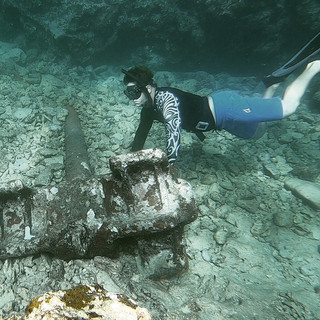
Okinawa is one of those places where the sea seems to invite you in before you even reach the harbour. The water is warm, the reefs are full of colour, and the range of marine life is wide enough to keep both new and experienced divers happy.
Right now is a strong time for scuba diving in Okinawa. The water is comfortable, the days are long enough for relaxed boat schedules, and the reefs are active with both large animals and tiny creatures tucked into coral gardens. It is the kind of season when one dive might bring a sea turtle cruising over the reef, and the next might be all about nudibranchs, shrimp, gobies, and clownfish.
Okinawa is not one single dive destination. It is a chain of islands with different moods, depths, currents, reef shapes, and marine life. That variety is the real attraction. You can spend a gentle day in clear water near the main island, cross to the Kerama Islands for famous blue water, or head further to places like Miyako or Ishigaki for bigger underwater scenery.
Why the current season is so good for diving
Okinawa has a subtropical climate, which means the sea stays warmer for much of the year than in many other parts of Japan. Late summer into early autumn is especially appealing because the water has had months to warm up. For many divers, this is the most comfortable time to be in the sea.
Warm water changes the whole rhythm of a dive trip. You can focus more on the reef and less on staying warm. Surface intervals feel easy. Repeated dives over a few days are more enjoyable. For newer divers, this comfort can make a big difference, especially when practising buoyancy or getting used to boat diving.
Visibility can also be excellent in Okinawa, especially around offshore islands and reef sites with clean ocean water. Conditions vary by day, of course. Wind, waves, rain, and passing weather systems all matter. Okinawa also sits in a region where typhoons can affect travel and diving plans during the warmer months, so flexibility is useful.
Still, when the weather lines up, the current season can deliver some of the most rewarding diving of the year.
What makes this period attractive:
Warm sea temperatures that suit longer, relaxed dives
Active reef life, from fish schools to small macro subjects
Good chances for clear blue water around offshore sites
Comfortable boat days between dives
A broad mix of beginner-friendly and advanced options
Okinawa has marine life on every scale
One of the best things about Okinawa is that it does not ask you to choose between big animals and small details. There is plenty of both.
On the larger side, divers may see sea turtles, rays, reef sharks, large groupers, barracuda, tuna, and schooling fish. Around some areas, manta rays are possible, though sightings depend heavily on location, season, and conditions. Okinawa is not a place where any wild animal can be promised, but it is a place where the open blue often feels alive.
The reef itself offers a slower kind of reward. Look closely, and the coral becomes a miniature city. Clownfish guard their anemones. Gobies hover near sand burrows. Cleaner shrimp wait for passing fish. Nudibranchs add bright flashes of colour to rocks and coral. Cuttlefish, pipefish, crabs, and flatworms may appear once you slow down and let your eyes adjust.
This is what makes Okinawa so good for mixed groups. One person may be thrilled by a turtle. Another may spend ten minutes photographing a tiny sea slug. Both come back smiling.
Large marine life to watch for:
Sea turtles resting or swimming along reef edges
Rays moving over sandy patches
Reef sharks passing in deeper areas
Schools of fusiliers, trevally, or barracuda
Larger reef fish around bommies and drop-offs
Small marine life worth slowing down for:
Nudibranchs in bright colours and unusual shapes
Anemonefish living among soft tentacles
Gobies and blennies on sandy or rocky bottoms
Cleaner shrimp and small crabs
Juvenile reef fish hiding in coral branches
The Kerama Islands are a classic choice
The Kerama Islands are often the first name people hear when they ask about Okinawa diving, and for good reason. They sit west of Okinawa’s main island and are known for very clear water, healthy reefs, and a bright blue sea colour often linked with the area.
For many visiting divers, the Keramas offer the ideal Okinawa experience. Boat trips from the main island can reach a range of sites, and operators usually choose locations based on sea conditions, diver level, and the day’s visibility.
The diving here can be gentle and scenic. Coral gardens, sandy channels, reef slopes, and swim-throughs all feature across the area. Sea turtles are commonly associated with the Keramas, though again, nature never gives guarantees.
The Keramas are especially good for divers who want beautiful reef scenes without needing extreme depth or strong current. Many sites suit open water divers, while advanced divers can still find sites with more structure, movement, and depth.
Okinawa main island offers easy access and variety
Not every great dive in Okinawa requires a long boat ride. The main island has a wide range of options, from shore dives to boat dives, training sites, blue-water reefs, and interesting topography.
This makes the main island practical for travellers who want to combine diving with food, beaches, culture, and relaxed sightseeing. It is also a good base for people travelling with non-divers. Some can go underwater while others enjoy the coast, cafés, markets, or historic sites.
Main island diving can include coral reefs, walls, caverns, and fish-rich slopes. Some sites are calm and suitable for beginners. Others need better buoyancy control or experience with changing sea conditions.
For certified divers who have been out of the water for a while, this can be a smart place to restart. Many shops offer refreshers or guided dives at easier sites before heading to deeper or more exposed locations.
Miyako, Ishigaki, and beyond add a different flavour
Okinawa’s outer islands each have their own character. If the main island and Keramas are the easy entry point, places like Miyako and Ishigaki offer a more destination-focused trip.
Miyako is famous for underwater arches, caves, tunnels, and dramatic limestone formations. It can feel very different from reef-garden diving. Good buoyancy matters here, because overhead-like environments and swim-throughs require calm movement and careful finning. Many Miyako sites are best for divers who already feel steady in the water.
Ishigaki is well known for manta ray encounters, especially around certain cleaning stations. Mantas are wild animals, so patience and good guide knowledge matter. Even without mantas, Ishigaki has coral reefs, reef fish, turtles, and warm island scenery that make it a strong dive destination.
Further west, Yonaguni has a reputation for advanced diving, strong currents, hammerhead sharks in the cooler season, and its famous underwater rock formations. It is not the default choice for casual warm-water reef diving, but experienced divers often keep it on their long-term Okinawa list.
Choosing dive sites based on skill level
Okinawa welcomes beginners, but it also rewards experience. The key is choosing the right site for the conditions and the diver.
A calm reef in warm, clear water can be perfect for a first ocean dive after certification. A current-swept wall or deep swim-through is a different matter. Good dive operators will ask about certification level, recent experience, comfort in currents, air use, and travel plans before assigning sites.
Be honest when booking. It helps the shop choose dives that feel enjoyable, not stressful.
Diver level | Good fit in Okinawa | What to focus on |
Beginner | Sheltered reefs, shallow coral gardens, easy boat dives | Buoyancy, breathing, slow movement |
Recently certified | Guided reef dives, turtle sites, sandy channels | Comfort, trim, buddy awareness |
Intermediate | Walls, deeper reefs, mild current sites | Air use, navigation, controlled descents |
Advanced | Caverns, stronger drift dives, outer island sites | Current skills, buoyancy, dive planning |
The best dives are not always the deepest or most dramatic. Often, the most memorable moments happen when a guide spots something tiny, or when a turtle stays calm because the group moves slowly and gives it space.
What to pack for warm-water diving in Okinawa
Warm water makes packing simpler, but a few choices can improve the trip.
Most divers will be comfortable in a light wetsuit during the warmer season, though personal comfort varies. Some people get cold after repeated dives, especially with wind on the boat. A hooded vest or rash guard can add flexibility without taking much luggage space.
Reef-safe habits matter more than any single product. Avoid touching coral, keep fins away from the bottom, and control cameras and gauges so they do not drag. Coral grows slowly and breaks easily.
Useful items include:
Certification card and dive log, digital or physical
Swimwear and a towel for boat days
Light exposure protection for sun and jellyfish risk
Reef-safe sunscreen or better, a long-sleeve rash guard
Seasickness medicine if boat motion bothers you
A reusable water bottle
Camera gear only if buoyancy is already steady
If renting equipment, book early during busy travel periods. Sizes and preferred gear styles can run out, especially at smaller shops.
Simple tips for a better Okinawa dive trip
A little planning goes a long way in Okinawa. The islands are relaxed, but diving still runs on weather, tides, boat schedules, and safety rules.
Build extra time into the trip. If one day gets cancelled due to wind or rough seas, a flexible schedule may still leave room for another dive day. This is especially helpful in warmer months when tropical weather can shift quickly.
Plan rest time before flying. Follow your dive computer and operator guidance for surface intervals before air travel. Many divers leave their final day for sightseeing, shopping, or a slow beach walk.
Choose a dive shop that communicates clearly. A good operator will explain the plan, check your experience, give a proper briefing, and choose sites responsibly. Local knowledge matters in Okinawa because conditions can change between areas.
Respect the reef and local rules. Do not chase animals. Do not stand on coral. Do not collect shells or marine life. Keep distance from turtles, rays, and cleaning stations. Calm divers see more because animals do not feel pressured to leave.
Why Okinawa stays with divers
Okinawa works because it offers more than one kind of underwater memory. There is the wide blue view, the warm sea, the coral slopes, and the chance of something large passing by. Then there are the small moments, like a clownfish guarding its anemone or a nudibranch glowing against the reef.
That mix makes the current season special. Warm water opens the door to easy, comfortable days in the sea, while the reefs provide enough detail to make every dive feel different.
For a first Okinawa trip, choose a trusted local dive operator, stay flexible with weather, and give yourself enough days to enjoy the rhythm of the islands. Whether the highlight is a turtle, a manta, a tiny shrimp, or simply floating over coral in clear warm water, Okinawa has a way of making the next dive feel very close.


Comments